

We NOW offer…
School Workshops
To educate and inspire a new generation of gardeners.
Thinking of visiting with your school?
We are delighted to invite schools to visit Holden Clough Nursery for engaging, hands-on, outdoor learning experiences. Our workshops are designed to inspire curiosity about the natural world while supporting the National Curriculum across all primary key stages.
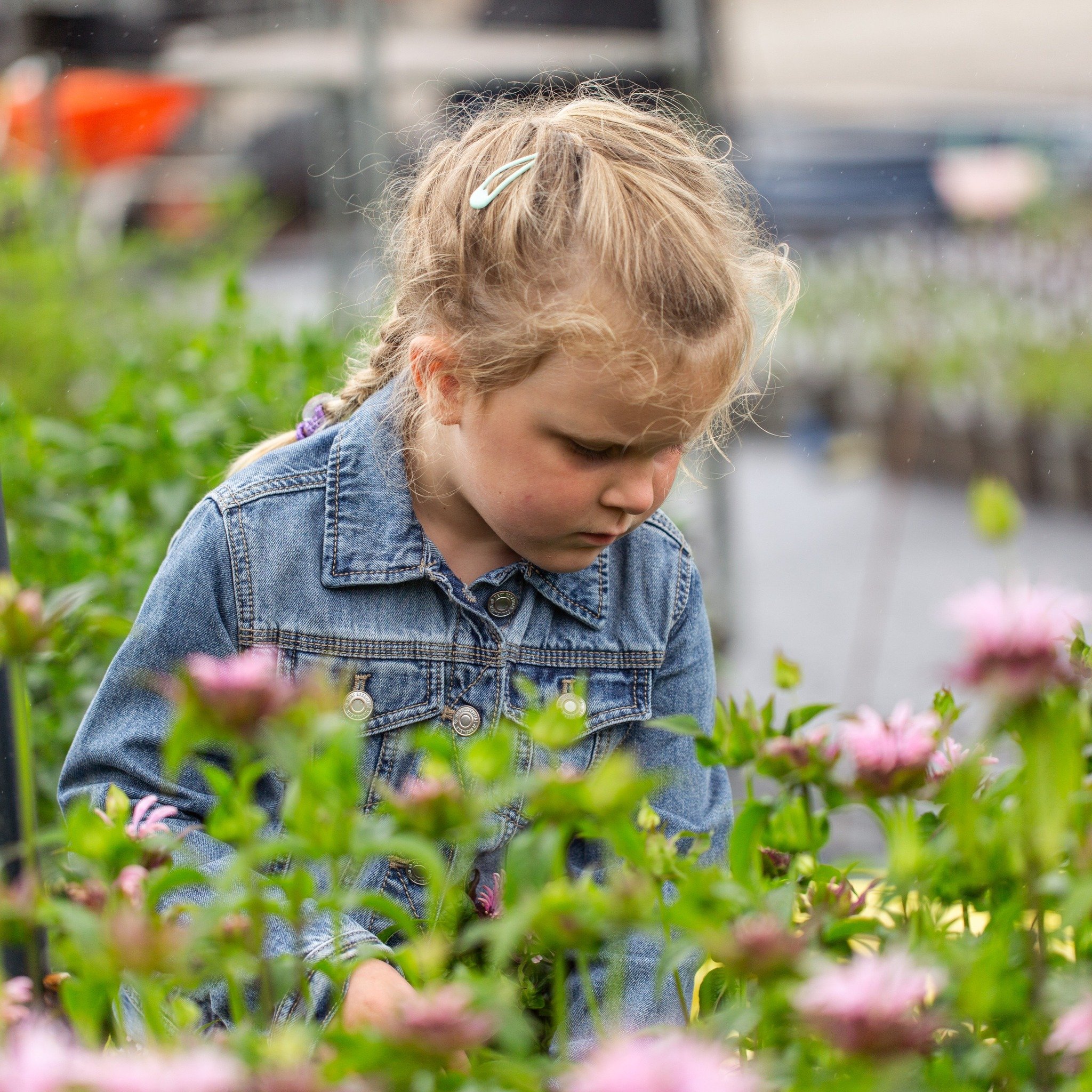
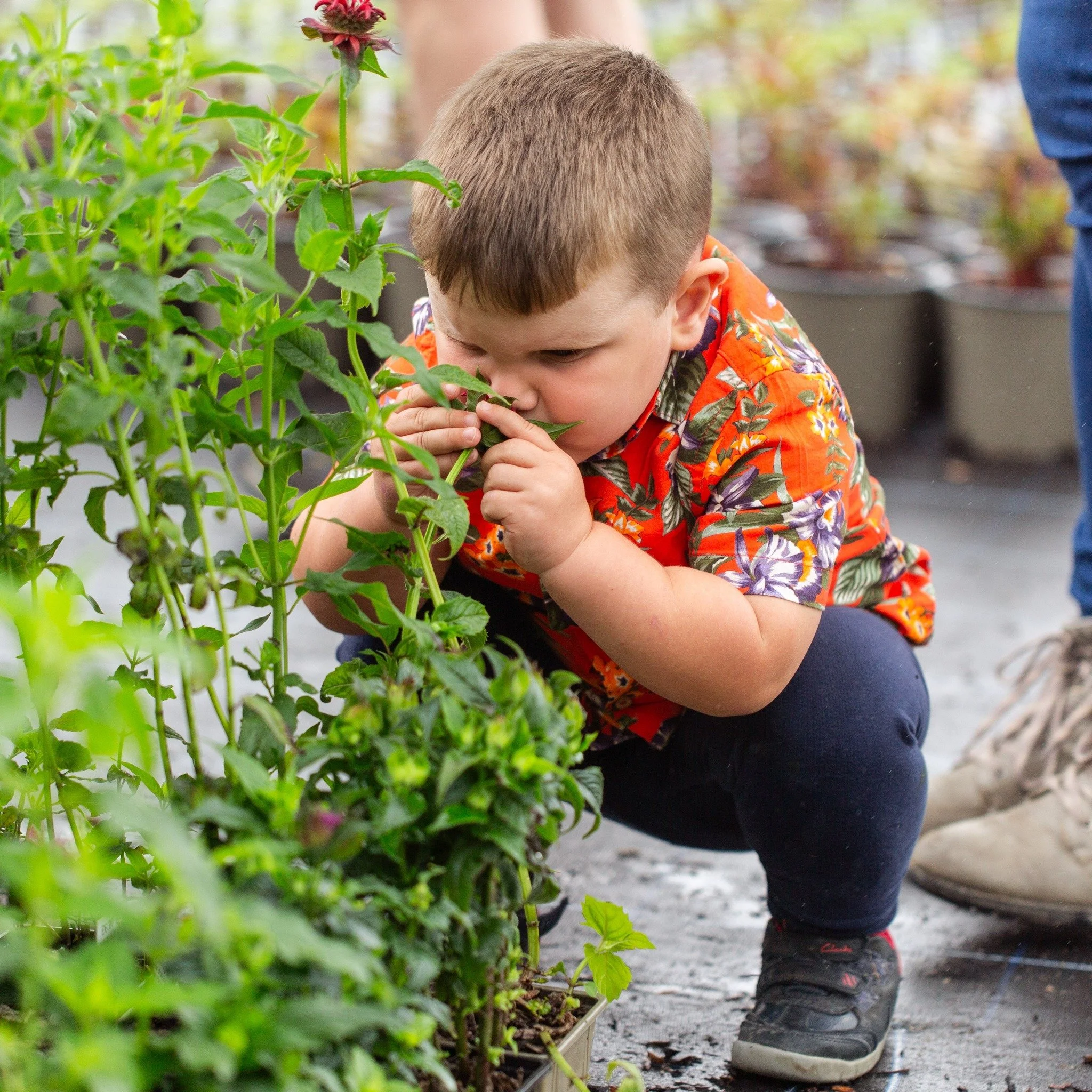
For each age group, we offer two different sessions, allowing classes to return each year and discover something new. We are passionate about hands-on learning, and pupils will have the opportunity to touch, smell, and observe a wide variety of both exotic and native plants.
The workshops we offer are listed below. Please note that sessions can be adapted to suit the needs of your school or class. If you have any specific requirements or enquiries, we would be very happy to hear from you.
Availability: Mondays and Tuesdays (other days may be available).
Cost: £5 per pupil.
Duration of the session: Approximately 1 hour.
Group Size: Up to 15 pupils per session (flexible group sizes available; classes can be split into two groups where required).
Lunch Arrangements: We can accommodate space for up to 15 children to eat packed lunches on site. For groups larger than 15, lunch can be split into 2 groups where required.
Enquiry form:
Please download/print a copy of the enquiry form and return it to events@holdenclough.com
The Workshops we offer…
EARLY YEARS FOUNDATION STAGE
Choose from:
A. Garden Growers
Embark on an exciting journey into the world of plants with activities designed to spark curiosity and deepen understanding of the natural world. From exploring the essential parts of a plant and discovering what it needs to thrive, to getting hands-on with planting, this session inspires a lifelong love of nature.
Learning Outcomes:
Observe plants in the environment
Identify shapes, colours, patterns and textures in nature
Understand and explain how plants grow
Recognise parts of a plant
Communicate ideas and findings using a range of vocabulary and language structures
Or:
B. Marvellous Minibeasts
Step into the fascinating world of minibeasts, where tiny creatures reveal the wonders of nature in the smallest spaces. Observe how they move, where they live and what they eat, and create a bug hotel to support beneficial insects.
Learning Outcomes:
Treat animals in the environment with care and sensitivity
Observe and recognise simple characteristics of minibeasts and other living things
Work in groups, taking turns and sharing resources
Explore surroundings using the senses
Communicate ideas and information
KEY STAGE 1
Choose from:
A. Roots and Shoots
Explore the captivating world of plants and trees, discovering how they grow through observation and investigation. Children learn about plant structures and their functions while developing scientific enquiry skills.
Learning Outcomes:
Identify and name common wild and garden plants, including deciduous and evergreen trees
Describe the basic structure of flowering plants, including trees
Identify and name plants in their habitats
Ask simple questions and recognise that they can be answered in different ways
Identify and classify
Use observations to suggest answers to questions
Or:
B. Insect Investigators
Become mini scientists and explore the fascinating world of insects. Observe, question, record findings, and design a bug-friendly habitat to encourage biodiversity.
Learning Outcomes:
Identify and name carnivores, herbivores and omnivores
Notice that animals, including humans, have offspring that grow into adults
Identify suitable habitats and describe how living things depend on each other
Identify plants and animals in habitats, including microhabitats
Describe simple food chains and identify sources of food
LOWER KEY STAGE 2
Choose from:
A. Plant Producers
Discover how plants grow, reproduce and thrive. Investigate seeds, pollination and dispersal, and explore the conditions plants need for life.
Learning Outcomes:
Describe the functions of roots, stems, leaves and flowers
Explore plant requirements for life and growth
Understand pollination, seed formation and seed dispersal
Or:
B. Cool Classifiers
Become plant detectives and learn how scientists group living things. Develop observation skills while exploring plant diversity in the wider environment.
Learning Outcomes:
Recognise that living things can be grouped in different ways
Identify and name a variety of plants in the environment
Understand how environmental change can impact living things
UPPER KEY STAGE 2
Choose from:
A. Significant Scientists
Explore plant reproduction and life cycles, comparing local plants with those from around the world. Learn how new plants can grow from parent plants.
Learning Outcomes:
Understand sexual and asexual reproduction in plants
Compare plant life cycles
Grow new plants from different parts of a parent plant
Or:
B. Awesome Adaptations
Investigate how plants adapt to survive in different environments. Through observation and discussion, discover the remarkable features that enable plants to thrive.
Learning Outcomes:
Recognise which plants grow in specific habitats
Understand how adaptations help plants survive
Identify plant adaptations and explain their purpose